
Israel Recognizes Somaliland, Shifting Horn of Africa Politics
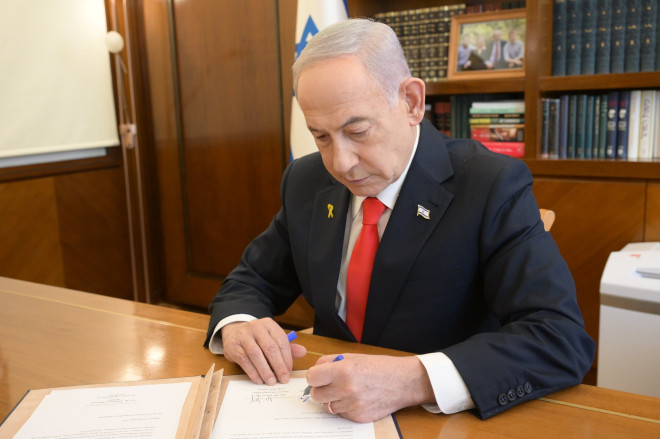
Ethiofact – In a landmark diplomatic move, Israel has formally recognized the Republic of Somaliland as an independent and sovereign state, becoming the first country to do so since Somaliland declared independence more than three decades ago.
The recognition, announced today, marks a significant moment for the self-governing territory in the Horn of Africa, which has operated as a de facto state since 1991 but has remained internationally unrecognized. Somaliland’s government described the decision as a “historic correction” and a long-awaited acknowledgment of its political reality and sacrifice.
Somalia’s federal government swiftly condemned the move, calling it a violation of Somalia’s territorial integrity, while regional actors expressed concern that recognition could encourage fragmentation elsewhere in Africa.
From Union to Rupture: How Somaliland Reached This Point
Somaliland’s political trajectory differs sharply from that of southern Somalia. Formerly a British protectorate, Somaliland gained independence on 26 June 1960 before voluntarily uniting days later with Italian Somaliland to form the Somali Republic.
The union, however, proved deeply unequal. Political power, development funds, and military command became increasingly centralized in Mogadishu, leaving many in the north feeling marginalized. Discontent intensified after General Mohamed Siad Barre seized power in a 1969 military coup, establishing a highly centralized authoritarian regime.
How Siad Barre’s Regime Was Weakened
Siad Barre’s power began to erode in the late 1970s and 1980s due to a combination of factors:
- Military defeat in the 1977–78 Ogaden War against Ethiopia
- Economic collapse, corruption, and loss of Cold War patronage
- Clan-based repression, which alienated large segments of the population
- The rise of armed opposition movements, including the Somali National Movement (SNM) in the north
By the mid-1980s, the SNM had gained momentum in Somaliland, launching an insurgency against the regime.
Bombardment, Mass Atrocities, and External Intervention
Between 1987 and 1989, Siad Barre’s forces carried out a devastating counter-insurgency campaign in Somaliland. Major cities such as Hargeisa and Burao were subjected to intense aerial bombardment and artillery fire, leading to massive civilian casualties and displacement.
Hargeisa was left almost entirely in ruins, earning it the grim nickname “the Dresden of Africa.” Hundreds of thousands fled, many crossing into Ethiopia as refugees.
Mengistu Haile Mariam: A Contested but Powerful Memory
Among many Somalilanders, particularly survivors of the conflict, former Ethiopian leader Mengistu Haile Mariam is remembered in a complex and often positive light.
According to Somaliland accounts, Ethiopia’s decision to allow SNM fighters to operate from Ethiopian territory, and its withdrawal of cooperation with Siad Barre – significantly limited Somalia’s ability to continue large-scale aerial bombardments in the north.
Many Somalilanders believe that this shift effectively constrained Siad Barre’s air campaign, reducing further destruction and saving civilian lives. While historians continue to debate motivations, including Ethiopia’s strategic interest in weakening Somalia – the perception of Mengistu as having played a role in stopping the bombing remains widespread in Somaliland society.
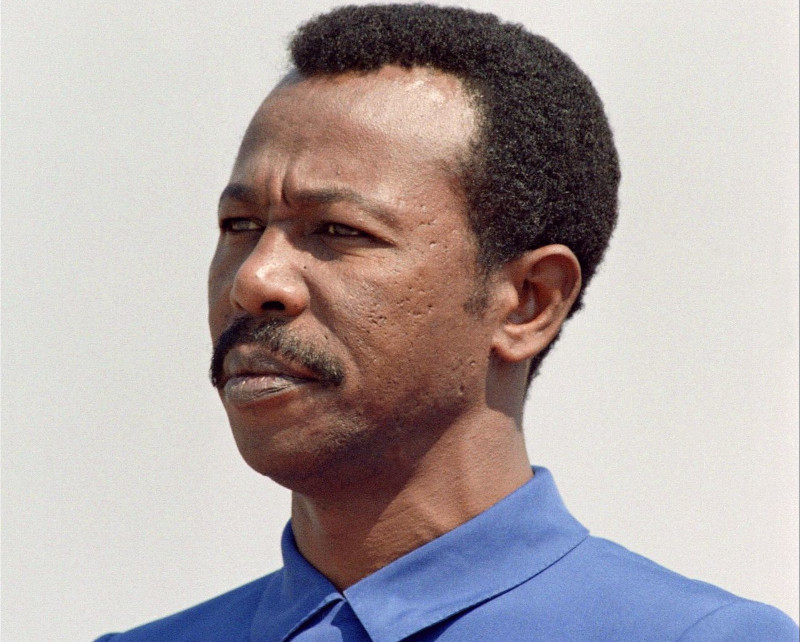
Former Ethiopian leader Mengistu Haile Mariam
Collapse of the Somali State and Somaliland’s Declaration
By January 1991, Siad Barre had lost control of Mogadishu and fled the country. Somalia descended into full state collapse and prolonged civil war.
In contrast, Somaliland’s clan elders, SNM leadership, and civil representatives convened in Burao. On 18 May 1991, they unilaterally declared the restoration of Somaliland’s independence, reclaiming the borders of the former British protectorate.
Since then, Somaliland has pursued a separate path, establishing its own government, security forces, currency, and electoral system, while remaining outside the international system.
Why Today’s Recognition Matters
Israel’s recognition is symbolically powerful because it breaks a decades-long diplomatic stalemate. Supporters argue that Somaliland has demonstrated:
- Sustained internal stability
- Functioning democratic institutions
- Peaceful transfers of power
- Effective control over its territory
Critics counter that recognition risks destabilizing the region and undermining Somalia’s sovereignty.
For Somalilanders, however, today’s announcement resonates far beyond geopolitics. It is seen as validation after decades of isolation, trauma, and self-reliance.
“This recognition is not just political,” said a senior Somaliland official. “It is moral. It acknowledges what our people endured — and what they built from the ruins.”
What Comes Next
Whether Israel’s decision will open the door for further international recognition remains uncertain. Analysts point to potential implications involving Red Sea security, Ethiopian access to the sea, and shifting alliances in the Horn of Africa.
For Somaliland, the moment represents both an opportunity and a test – to convert symbolic recognition into broader diplomatic acceptance while navigating renewed regional tensions.
Opinions expressed by contributors are their own. Ethiofact does not endorse and is not responsible for the accuracy of any of the views expressed in the content on this site.