
Eritrea’s Port Dilemma: Why Assab and Massawa Struggle to Attract Major Investment
By Eshetu Mekonnen
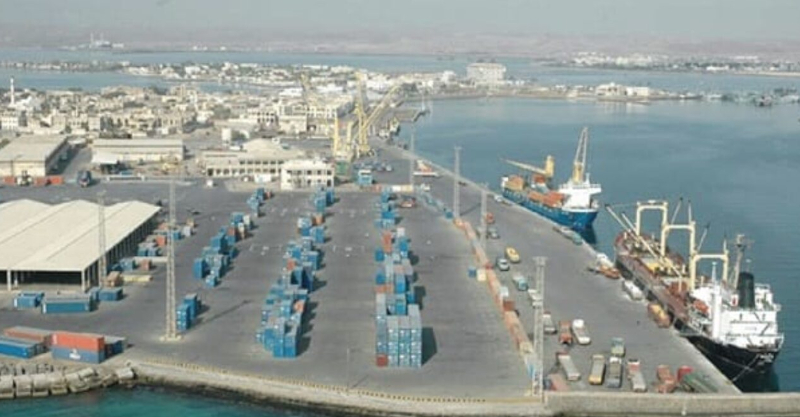
Eritrea sits on one of the world’s most strategic waterways. Its coastline hosts two major ports, Assab in the south and Massawa in the north. Both have real potential, yet neither has attracted the large-scale investment Eritrea hopes for. The fundamental reason is simple: a port becomes valuable only when there is a guaranteed user. Right now, neither Assab nor Massawa has that anchor customer.
Assab: Strategic Location, No Users
Assab is close to the Bab el-Mandeb strait, but it lacks activity. Eritrea’s own trade volume is too small to sustain the port. Ethiopia, the only potential high-volume customer, relies on Djibouti and does not have a long-term transit agreement with Eritrea. Political trust between the two countries remains fragile. Gulf countries also have no commercial need for Assab, and the UAE’s past military use was temporary and tied only to the Yemen conflict. Without Ethiopia, Assab has no path to meaningful growth.
Massawa: History and Potential, But Limited Demand
Massawa is larger, more historic, and more urban than Assab, but it suffers from the same core issue: insufficient demand. Eritrea’s economy cannot generate enough cargo for a modern port. Ethiopia is even less likely to use Massawa because it is farther from Ethiopia’s population and industrial centers. Modernizing the port would require costly upgrades, but with no major customer, investors see little reason to commit. Regional investors also prefer locations with more predictable political environments, such as Djibouti, Berbera, or Port Sudan.
The Core Problem: No Anchor Market
Every successful port in the region has a strong anchor user. Djibouti thrives because of Ethiopia. Berbera grows because of Ethiopian interest and Gulf partnerships. Saudi ports grow from Saudi domestic demand. Eritrea lacks a large local market and does not have a major international partner committed to using its ports. This makes large-scale investment risky.
Why Gulf States Hesitate
Saudi Arabia and the UAE assess investments based on long-term stability, clarity, and guaranteed returns. Eritrea does not yet offer the predictability required for a 20- or 30-year port investment. With easier alternatives in the region, investors choose the safer path.
Ethiopia as the Missing Piece
Both Assab and Massawa become economically viable only if Ethiopia agrees to use them consistently. Ethiopia’s growing population and huge import needs could transform Eritrea’s ports overnight, but this requires a stable, transparent, long-term agreement—something that does not exist today.
A Possible Path Forward
- Eritrea can still improve the outlook for its ports by:
- Offering legally binding long-term port access agreements to Ethiopia
- Developing niche sectors like fisheries, minerals, salt, ship repair, and free-trade zones
- Increasing policy transparency and predictability
- Strengthening diplomatic ties in the region
Conclusion
Eritrea’s coastline has undeniable potential. Assab and Massawa could become important regional hubs. But ports do not succeed because of geography alone – they succeed because of relationships, markets, and reliable long-term partners. Until Eritrea forms deeper economic ties, especially with Ethiopia, its ports will remain promising but underutilized assets on a strategically valuable coast.
Related:
UAE Dismantles Eritrea Base as it Pulls Back After Yemen War
Opinions expressed by contributors are their own. Ethiofact does not endorse and is not responsible for the accuracy of any of the views expressed in the content on this site.